
Multi-chain assets
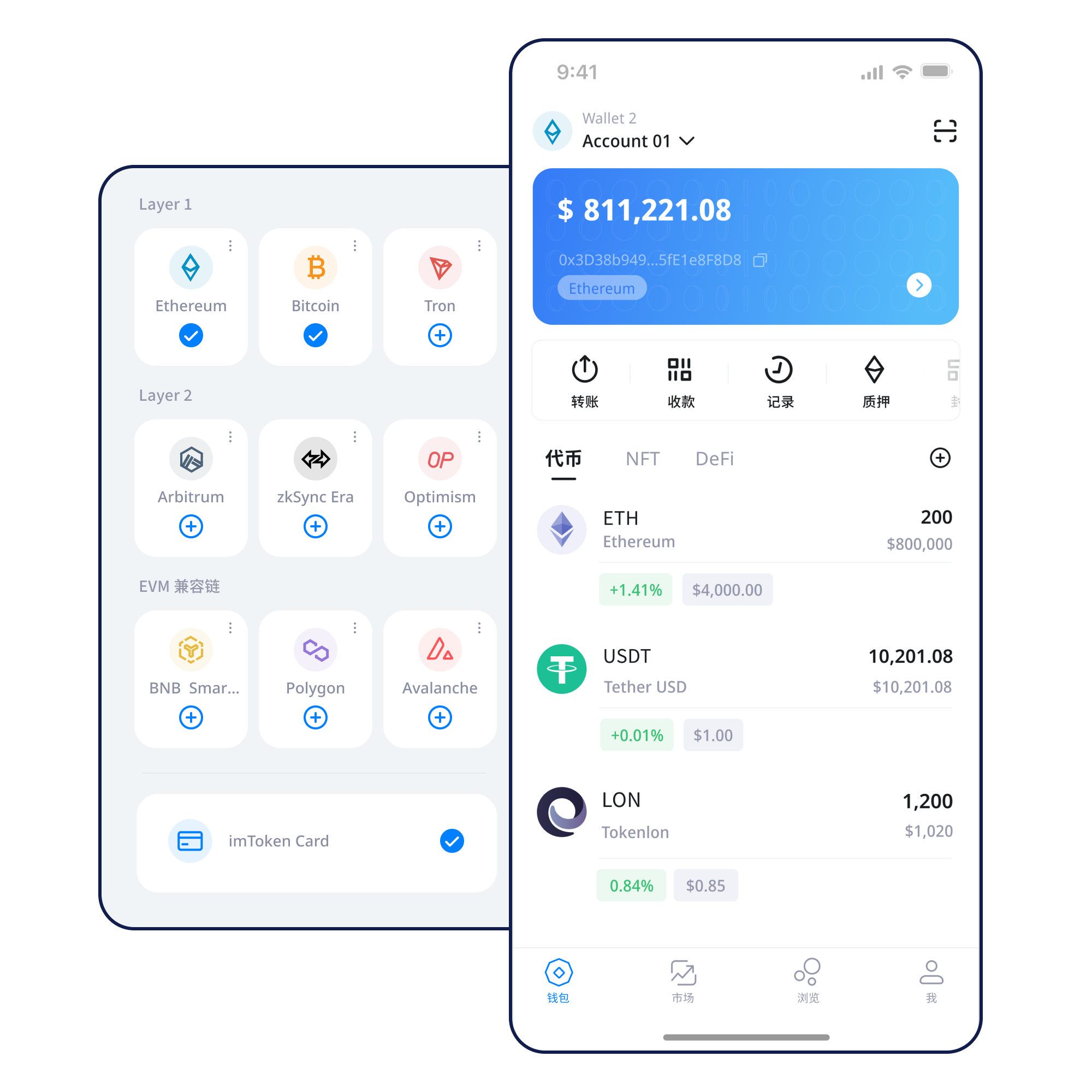
Assets with the same symbol can exist on different networks, with different contracts, fees and confirmation rules. Start with the network before interpreting a balance.
Understand multi-chain →Official imtoken multi-chain wallet website
A multi-chain wallet, blockchain network and Web3 knowledge hub from imtoken
Learn how multi-chain assets, network selection, transfers, DApp connections, approvals, network mechanics and wallet security fit together before you act on-chain.
Start with a task
Wallet capabilities
Assets with the same symbol can exist on different networks, with different contracts, fees and confirmation rules. Start with the network before interpreting a balance.
Understand multi-chain →Check the address and network when receiving; add amount, gas, transaction hash and final confirmation when sending.
Review transfer flow →Manage networks, review balances and transaction history, and read every request before signing on mobile.
Explore the App →A browser connection is only a session. Each later signature, approval or contract interaction still needs independent review.
Understand Web connections →
Seed phrases and private keys remain under the user's control. Support should never ask for them.
Open Security →Networks have different fees, confirmation behavior and asset environments. Confirm which network the recipient supports and verify the token contract.
Nodes propagate transactions, blocks record state and explorers let users verify results using public data.
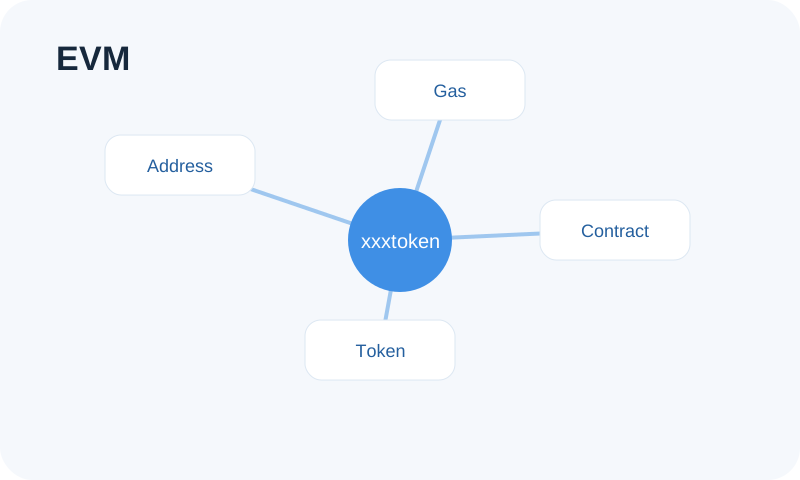
EVM-compatible networks share familiar address, gas, contract and approval concepts while maintaining separate chain state.
Layer 2 systems settle or anchor to a base chain in different ways, so bridges and cross-layer transfers may introduce extra steps and waiting.
Wallet journey
Use the official download entry rather than copying installation links from unfamiliar pages.
Know whether you are creating a new wallet or restoring an existing one, and handle secrets only on a trusted device.
Store the seed phrase offline and never reveal private keys or verification codes.
Distinguish public chains, EVM networks and Layer 2 systems, then match the network to the asset contract.
Review address, network, amount and gas; consider a small test before a larger transfer.
Keep transaction hashes, read DApp requests before signing and periodically review permissions you no longer need.
Web3 & DApps
Keep the context clear from the first visit to completion: verify the domain, account, network, signature text, transaction parameters and approval target.
Security
Wallet security does not come from claims of absolute protection. It comes from concrete habits: protecting keys, keeping devices maintained, verifying domains, reading signatures and checking transfers. Seed phrases and private keys remain under the user's control, and confirmed blockchain transactions are generally not something a wallet can unilaterally reverse.
When using a third-party DApp, review the connection, signature, approval and contract action separately. Consider removing approvals that are no longer needed, and be cautious with shared computers, public networks and remote-control sessions.
Open the Security Center →Academy
An address identifies an account for receiving assets; seed phrases and private keys control and recover a wallet; the network determines where a transaction occurs; gas prices execution; a transaction hash helps track results; and DApp connections and approvals require independent review.
Start the learning path →Ethereum & PoS
Ethereum PoS uses validators for proposing and attesting to blocks. Rewards follow protocol rules and network activity; withdrawals and exits follow network mechanisms and can be affected by queues or validator state.
Understand Ethereum staking →Product & security updates
FAQ
Assets are recorded on blockchain networks; a wallet manages keys and addresses and helps submit transactions.
No. Support should never ask for a seed phrase or private key; public addresses and transaction hashes are enough for most troubleshooting.
No. Connection, signing, transactions and token approvals are separate actions that should be reviewed independently.
The same asset symbol can exist on different networks, affecting delivery, fees and how you verify a result.
A wallet generally cannot unilaterally reverse a valid confirmed transaction, so pre-signing checks matter.
No. Rewards, waiting times, network penalties, contract risk and market prices can all change outcomes.
imtoken
The download entry leads to the dedicated download page. Verify the source before installation, then prioritize offline backup and network basics.